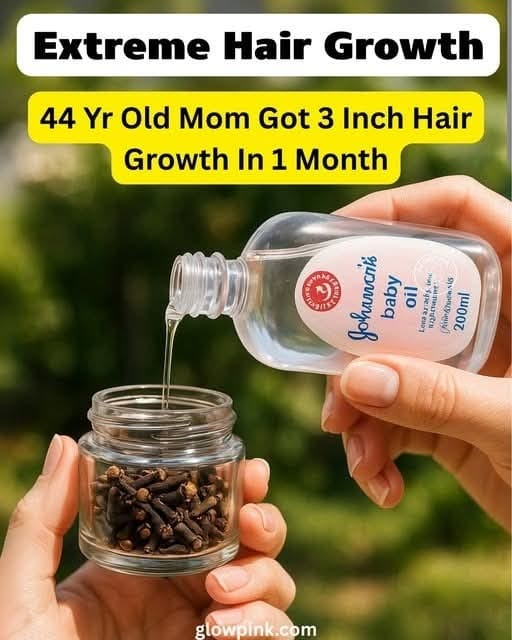
Using baby oil for extreme hair growth is a common beauty myth — let’s break it down honestly so you know what it can and can’t do.
💡 What is Baby Oil?
Baby oil is typically mineral oil (a petroleum-based product) that’s fragrance-free or lightly scented. It’s great at locking in moisture but doesn’t contain nutrients that directly stimulate hair growth.
✅ What Baby Oil Can Do for Hair:
-
Seal in moisture: Great for dry scalps or ends. It helps reduce breakage caused by dryness.
-
Add shine: Makes hair look sleek and polished.
-
Prevent split ends: By sealing the hair shaft, it protects from damage.
-
Soften hair: Makes detangling easier.
❌ What Baby Oil Can’t Do:
-
Does NOT stimulate hair growth: It doesn’t nourish follicles or improve circulation like other oils (e.g., castor oil, rosemary oil).
-
Can clog pores: Especially on the scalp, if not washed out properly — may lead to buildup or irritation.
-
Isn’t rich in nutrients: Lacks vitamins, fatty acids, or proteins that support hair health.
🔄 If You Want Real Hair Growth:
Try these evidence-supported alternatives:
-
Castor Oil – Contains ricinoleic acid, promotes blood flow to the scalp.
-
Rosemary Oil – Shown in studies to be as effective as minoxidil.
-
Peppermint Oil – Can increase circulation and follicle depth.
-
Scalp Massage – 4 minutes a day can increase hair thickness.
-
Biotin/Zinc/Vitamin D – Nutrient deficiencies can cause shedding.
✅ How to Use Baby Oil Safely on Hair:
If you still want to use it as a moisturizer or shine booster:
-
Warm a few drops between your palms.
-
Apply to the ends of hair only (not scalp).
-
Wash out thoroughly after a few hours or leave overnight with a shower cap.
🧴 Verdict:
Baby oil won’t give you “extreme” hair growth, but it’s a cheap, effective moisturizer for dry hair. If growth is your goal, you’ll want to focus on other oils and scalp treatments.
